2005-07-08

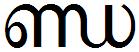
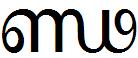
Unicode: Redefining AU length marker U+0D57

Current meaning of the two AU signs are described below:

0D4C MALAYALAM VOWEL SIGN AU
  • Two part symbol of AU is not used now-a-days.
  • Could be represented by two part symbol in fonts supporting old orthography
  • Could be represented by right part alone in fonts supporting new orthography

0D57 MALAYALAM VOWEL SIGN AU - RIGHT PART ALONE
  • Should not be used as MALAYALAM VOWEL SIGN AU.
  • Represents the right half of 0D4C irrespective of the orthography supported by the font.
  • Only required when the right part alone need to be specifically mentioned. eg: in a grammar book.
  • Common day-to-day texts need not use this symbol at all.
This assignment of meaning to these symbol causes lots of confusion. Also, it can potentially violate Uniqueness Rule when people interchangably use 0D4C and 0D57 to denote AU symbol in new orthography.

Following are the possible solutions for this:
  1. Deprecate 0D57 and loose the facility to display right part alone in an old orthography font.
  2. Make 0D57 something like a joiner which is typically transparent to automated tools like search engines. U+0D57 will have meaning only when it is followed by U+0D47 and that combination will suppress the left part ofU+0D47, irrespective of the font.

Unicode: Praslesham - Malayalam Avagraha

The symbol is used as Malayalam version of Devanagiri Avagraha (U+093D). It is called Praslesham (പ്രശ്ലേഷം) in Malayalam. This is a punctuation simillar in meaning to '-' (hyphon). If the shape of U+093D is same as that of Praslesham, then we don't need to encode it for Malayalam; just like other punctuations - comma, period etc. But, typical shape of U+093D is not what is used in Malayalam. Devanagiri shape could potentially conflict with Malayalam ട (U+0D1F).

2005-07-07

Unicode: Uniqueness Rule on Encoding

Two different encodings should not render same, irrespective of the font or joiners used.

Two see why this rule is required, assume there is a conjunct formation rule for a subset of Chillu-C1 + C2 permutations and as per that rule, Chillu-NNA + DDHA (ൺ + ഢ) can form the conjunct (ണ്ഢ) in an old orthography font. Of course, NNA + VIRAMA + DDHA (ണ + ചന്ദ്രക്കല + ഢ) will also form the same conjunct.

There fore, a document (eg: a wiktionary.org document) written by multiple people using various inputting tools can quite possibly have both spellings for ണ്ഢ, without reader or writer being aware of it. This can cause many problems including ineffective searches and inconsistent sorted list of words.

Antoine Leca write this related text:
"Right now (for fifteen years really), we have a similar problem with Latin in Europe: our accentuated letters have two spellings, one which is the legacy one (using unique codepoints, for example U+00EE (î) which is the one everybody uses; and the other is the genuine Unicode encoding, the one we ought to use but nobody does in reality, using the base (English) letter and then another codepoint for the accent, i.e. U+0069, U+0302 (î)for my example above). You cannot normally see the difference, and if you do, it is just because of an imperfect Unicode support which does not render correctly the second form (things are getting better here, but still are not perfect). But if you are searching, the different spellings MAY be viewed as different, when of course it should not. Similarly, you could be allowed to enter both forms in a database field as "unique" key, when of course it should be prevented.

As this stuff is pretty evident to anyone in Europe developping in Unicode, this problems has been identified for years; and a "fix" has been developped, that is those two sequences are considered "canonically equivalent", so a "fully conforming" Unicode process should merge the two encodings for processes like searching or inserting. Please note that the majority of the tools used nowadays which deals with Unicode contents do not do that; only the tools specially prepared does it, and this comes with a noticeable performance impact."

2005-07-06

Unicode: Uniqueness Rule on Rendering

If a word is displayed correctly in one font then that word should be rendered correctly as the same word, in all fonts.

If Encodings 1 and 2 are exactly the same and Rendering 1 and 2 are different, then there is no garantee that the text written by one will be able to read by others.

If Encodings 1 and 2 are different by some joiners and Rendering 1 and 2 are different but valid, then there are following issues:
  • search for rendering 1 will produce results with rendering 2
  • search and replace would spoil the text
  • Since typical language tools like spell checker or grammar checker is transparent to joiners (joiners are supposed to be font directives only), we will need to make special tools which are joiners-aware for Malayalam.
If Encodings 1 and 2 are different by some joiners and one of the Renderings 1 and 2 is valid and other is invalid, then there is following issue:
  • Since typical language tools like spell checker or grammar checker is transparent to joiners (joiners are supposed to be font directives only), we will need to make special tools which are joiners-aware for Malayalam.

Unicode: Uniqueness Rule

Consider this scenario:


Two encodings are equivalant if they differ only joiners. Encodings of 'ശബ്ദം' and 'ശബ്‌ദം' are equivalant because they are be different only by a ZWNJ. Meanwhile, encodings of 'അവൻ' and 'അവന്' are not because one has chillu letter, other hasn't.

Rendering equivalance is more of a subjuctive thing. We know 'ശബ്ദം' and 'ശബ്‌ദം' are equivalant renderings. 'അവൻ' and 'അവന്' are not equivalant renderings. 'അല്പം' and 'അൽ‌പം' are sometimes considered equivalant, sometimes not. These pairs can not participate in this rule.

The fonts can vary from the new orthography font Nila from Bhasha Instituite to old orthography fonts like Anjali or Rachana. I don't think it is realistic to consider fonts which don't have lesser number of conjuncts than Nila.

Uniqueness Rule says:

If there is Encoding Equivalance then there should be Rendering Equivalance. (see details on why this is required)
Also, if there is Rendering Equivalance then there should be Encoding Equivalance. (see details on why this is required)

We can consider two versions of this rule. In the lenient version of this rule, at least one of the renderings should be valid. A rendering is valid when it is present in the dictionary or it is a word combination obeying grammar rules.

In the aggressive version of this rule, we consider all possible words, even those outside dictionary. This could be useful because these words can come from:
  1. Colloquial phrases, often found in novels and stories.
  2. Names of places, people etc.
  3. Future words

2005-07-02

Unicode: Glyphs, Graphemes and Phonemes Primer

Please read the definitions of grapheme(ലിപി), phoneme(വർണ്ണം) and glyph(രൂപം) from Wikipedia.org.

I use grapheme as a synonym for character and font as a synonym for the collection of glyphs.
As an example, ക and ഷ are basic characters, that is, they are graphemes. However ക്ഷ is not a grapheme because, it is the combination of ക and ഷ. Therefore, ക്ഷ is just a glyph. However, we need to represent, ക്ഷ as a separate symbol, which is graphically different from ക and ഷ. This symbol should be put in a font, which is the collection of glyphs and not just the character set. In this example, {ക, ഷ} constitute the character set and {ക, ഷ, ക്ഷ} constitute the font.

The real hindrance in understanding this concept is that we compare Asian languages with Latin languages. In English, there is one-to-one correspondence between a character and its glyph. However, in Asian scripts a character can exist in different graphical forms. E.g.: the character Malayalam ര has different graphical forms in following words: മരം, ബ്രഹ്മം, വർണ്ണം. The grapheme ര produces three different glyphs on three different contexts.

Now about phonemes... Set of phonemes is not the character set. For example, we have two ന in pronunciation. However, have only one grapheme to represent them. Instead, Tamil has two different graphemes (characters) to represent them. Simillar is the case with half-റ്റ and റ. They have same grapheme but different phonemes. Consider examples: എന്റെ, പാറ്റ, പാറ.

Unicode is trying to encode the graphemes(ലിപിമാല/അക്ഷരമാല) and not the phonemes(വർണ്ണമാല).

2005-06-30

രീതിശാസ്ത്രം

Objective:
A musician write a tune in 'laalaala' fashion and the lyricist can write the words for that. Essentially, I hypothesis that process of writing a song based on a tune is quite similar to writing a slokam based on a vrutham.

Basic units to represent a tune:
The primitives are more sophisticated since the needs of a tune need to be more precise. The transliterated way (alphabetic) of writing the syllables is easier for this process; so I adopt that.

l: short consonant. Ex: k, s
ll: conjunct consonant. Ex: ksh
a: short vowel.
aa: limited elongation for two mathras.
aa..: unlimited elongation. Elongate as musician wishes. The '..' is the usual regular expression '+' meaning. That is, aa is an instance of aa..; aaa.. can be reduced to aa.. etc.
space/p: pause(yathi?)

Mapping from aksharams:
Short vowels like 'a', 'i', 'u' etc map to 'la'
Long vowels like 'aa', 'ee', 'oo' etc map to 'laa..'
Short vowel signs like 'a', 'i', 'u' etc map to 'a'
Long vowel signs like 'aa', 'ee', 'oo' etc map to 'aa..'
'au', 'ai' and samvruthokaram maps to 'a..'
Conjunct consonants like 'ksh' can map to 'll' or 'al'
Chillu or Anuswaram  which can map to either 'l' or 'a..'.

A reasonably simple program can use these mappings and give correct clues to the lyricist what to write at a position and also verify what he has already written.

Sample:
lallalala laa..laa..laalaa
la lla la la p laa.. laa.. laa laa
po nmu ra Li   oo    thum  kaa ttil
പൊ ൻമു   ര  ളി     ഊ     തും      കാ   റ്റിൽ

2005-06-21

Unicode: virama model Vs subjoined model - by Eric Muller

Copied from Indic Mailing list Archive[username=unicode-ml password=unicode]

This message is motivated by UTC agenda items for Myanmar,
one of which, taken literally, asks for the encoding of subjoined
characters in what is a virama model.

The distinction between the virama model and the subjoined model is often
seen as the source of the dissatisfaction of some of our users. In my
opinion, it is only a secondary issue, that is not enough to explain
that those users keep coming back. There is a primary issue that we
not yet identified, and therefore cannot address. It is that primary
issue that we need to find.

I am not sure what the primary issue is. I have a candidate and the
rest of this document is an attempt at describing this candidate. It
is quite possible (and even likely!) that I am entirely wrong; that
does not matter - what matters is that we look for this primary
issue. While I try to be precise and factually correct, there are
certainly intentional white lies and ommisions, and arbitrary
simplifications; forests and trees, as they say. If you give up on
reading this, please read the last paragraph anyway.

---


The starting point of the Indic scripts is an inventory of
letters. There is a bunch corresponding to vowel sounds: a, a:, i, i:,
u, u:, etc. There is a bunch corresponding to consonant sounds: ka,
kha, ga, ... At this point, we don't distinguish the dependent and
independent forms of vowels, we have a single "a" in our inventory.

In Latin based writing systems, we also have an inventory of letters
(a, b, c, d, etc). A written word or even a whole text reflects
directly a sequence of those letters. There may be ligatures, but once
you have a sequence of letters and just that, you can legibly render
that word: for each letter, take its letterform, put it at the end of
the line assembled so far.

For Indic scripts, the sequence of letters is not enough: in addition,
you need to know how to segment it. The rendering is: for each
segment, build its letterform, put it at the end fo the line assembled
so far. Of course, the segments I am speaking about are the "aksaras"
or something close to that. They are typically a few letters in size
(say, 1 to 5).

The letterform for a segment of course reflects somehow the letters in
that segment. In some cases, it is a letterform unique to that
sequence of letters, where it is not possible to match a fragment of
the letterform with any of the letters in the segment. In other cases,
some of the letters (but not necessarily all) can be identified with
fragments of the letterform. Yet in another cases, the letterform is
obtained by a rather straightforward combination of the letters. These
are not rigid categories: there is a continuum from the "unique shape"
to the "straighforward assembly"; that explains why we end up with a
bunch of exceptions every time we try to come up with rigid
categories. (This also says that, in my opinion, any formalization in
the encoding of those categories is bound to failure.)

When fragments of the letterform for a segment can be identified with
letters of that segment, then we can observe that they are arranged
with a lot of freedom: the fragment for the first letter may end up on
the far right, the fragment for the last letter may end on the far
left, a letter in the middle may end with multiple disconnected
fragments all over the place. Within a segment, everything goes. On
the other hand, there is essentially no typographic interaction
accross segments. That's why I like to call the segments "typographic
clusters".

To me, it is this basic inventory of letters and this concept of
typographic clusters that characterize first and foremost the Indic
scripts, and survives more or less accross all the historical
transformations and adaptations of the scripts.


So far, we have not discussed at all how the typographic clusters are
determined. In the Sanskrit/Devanagari case, a typographic cluster
corresponds to a /c_1...c_n v/ sound sequence (i.e. some consonants
followed by a vowel), where the /v/ sound is typically not written if
it is the inherent vowel sound /a/ the script. The sequence of letters
in the typographic cluster will therefore be of the form "[c_1...c_n
v?]". Because the vowel letter is optional, we need some way to
disinguish the two cluster text "[c_1] [c_2 v_2]" (which writes more
or less the sounds /c_1, a, c_2, v_2/) from the one cluster text "[c_1
c_2 v_2]" (which writes more or less the sound /c_1, c_2, v_2/).

We have two encoding models to do that:

- virama model : encode a single coded character per consonant letter,
encode a combining coded character for each vowel letter, encode a
consonant linking coded character, V. Then the typographic cluster
"c_1...c_n v" is represented by the sequence of coded characters "c_1
V ... V c_n v_combining", i.e. we stick the V consonant linking coded
character between the consonants of a cluster. Now we know that "c_1
c_2 v_combining" is segmented "[c_1] [c_2 v]" while "c_1 V c_2
v_combining" is segmented "[c_1 c_2 v]".

- subjoined model : encode two coded charaters per consonant letter,
one non-combining and one combining, encode a combining coded
character for each vowel letter; the cluster "c_1 ... c_n v" is
represented by the sequence of coded characters "c_1_non_combining
c_2_combining ... c_n_combining v_combining". Now we know that
"c_1_non_combining c2_non_combining v2_combining" is segmented "[c_1]
[c_2 v2]" while "c_1_non_combining c_2_combining v_combining" is
segmented "[c_1 c_2 v_2]".

In both cases, we also have a non combining coded character of the
vowels, to mark those clusters which have no consonants.

It should be clear that these two encoding models are just technical
variations, really two serialization schemes to go from a sequence of
typographic clusters to a sequence of coded characters; somehow we
need some way to retain the segments in what is otherwise just a
sequence of coded characters, hence the additional coded
characters. We could dream of other serializations; for example, instead
of having separate combining and non-combining vowels we could use our
V linker: "[v] [cv]" would be "v c V v" instead of our traditional
"v_non_combining c v_combining".

Since the two models are a priori equally viable, which one gets used
depends on factors such as the precedent set by other encoding
standards (and do we have a third model, the visual model,
because of that, but we ignore it here). Another factor is the way the
users of the script look at it, which is more or less aligned with the
way the letterform for a cluster is built: for example, if we can
systematically recognize in it the standalone letterform of the first
consonant and deformations of the letterforms of the remaining
consonants, this matches well with a subjoined model.

If the two models are equally viable, why do we get so many fights on
which one to use? Surely, the native writers can see through that; yet
no matter how often we repeat that it should not matter, they keep
coming back.

One interpretation is that they can't accept a less-than-perfect match
between the encoding model and the way they look at their script. Take
Myanmar: the second consonant of most clusters is the one that takes a
so-called medial form, they learn those medial forms as separate
entities, and they get surprised when this does not directly translate
in the encoding of medial forms.

This is a plausible interpretation, but I don't think it is enough to
explain the insistance of the users to change the encoding model. I
personally trust that they are smart enough to realize that "V ya"
vs. "ya_combining" does not make that much of a difference, and that
*changing* the existing encoding is far more damaging than the
gain. There has to be something else to motivate their requests.

In looking at the Myanmar document L2/04-273 (which proposes what
amounts to four subjoined consonants in a virama model), I was really
intrigued by their examples of representation on page 10. Look at the
string of coded characters "70 bytes", i.e. the current Unicode
representation. In two cases, they write the virama coded character as
"V"; in the other cases, they mark it as "". It is the same coded character in all
cases, why do they make a distinction? They could have used "V"
everywhere or "" everywhere, the point they are making does not
truly depend on that distinction. One observation is that they use
"" when the typographic clustering is indicated visually by this
hook, and "V" when the typographic cluster is indicated visually by
modification of the consonants. May be they don't think of those two
uses of the virama coded character as equivalent (hence the desire to
distinguish more strongly those uses in the encoding).

In looking at a random piece of text in Myanmar, one has to be struck
by the frequency of the visible virama sign. In Hindi/Devanagari, a
visible virama is fairly rare. In fact, that should be expected: a
visible virama essentially appears when the letterform of a
typographic cluster is at its "lowest" and least desirable form, with
multiple individual consonants in their standalone form, and the
visible virama serves to indicate that they form a single cluster.
One could say that the whole point of typographic clusters is to avoid
those cases, hence their low frequency in practice. (This also explains
why the occasional attempts at reform that result in increasing the
frequency of visible viramas, may be driven by technology limitations,
seem to fail so miserably).

So what about Myanmar? The syllabification of Myanmar is strongly
either (C(C)V) or (C(C)VC); they say that they have open (ending in a
vowel) and closed (ending in a consonant) syllables. The observation
is that the visible virama occurs essentially on the final consonant
of closed syllables. If you take a fictive word like "pur-ti", its
written form shows those two syllables: the "r" is not allowed to
interact typographically with the following "ti", so you end with
"..., ...". By contrast, in
Hindi/Devanagari, the same syllabification is not reflected in the
written form, the "r" is allowed to interact with the "ti", as you
would expect from this typographic cluster; and interact it does,
since visually you have "p_uitr". In short, Hindi/Devanagari does not
care to reflect the syllables in the written form, Myanmar does, and
that is achieved by a high use of visible viramas.


Hyphothesis: the real typographic clusters of Myanmar are not [c_1,
.., c_n, v], they are the syllables. That is the segment were
typographic interaction occurs. Our encoding of Indic scripts imposes
[c_1, ..., c_n, v] clusters and that is were the discomfort is, not in
how a cluster is encoded (virama or subjoined). All the attempts at
modifying the encoding are first and foremost attempts to make the
real typographic clusters surface, but since the two alternatives for
encoding are fundamentally equivalent, they fail.

I don't have any "proof" of that hypothesis. All I can say is that if
you start with "The authors of L2/04-273 want to tell us that they
have different typographic clusters; forget the virama/subjoined
battle, it is just noise", then their discourse, and the progression
of their argument becomes much more meaningful. If instead you read it
as "The battle is about virama/subjoined", then the document seems
just like another silly attempt.

It is also interesting to remember the Devanagari eyelash ra. From
what we gathered, in Nepali/Devanagari, there is a desire to
graphically convey whether a ra is the final of a syllable or the
initial of the next. The typographic clusters of "pur-ti" are "[pu]
[rti]", while the typographic clusters of "pu-rti" are "[pur]
[ti]". The graphic device used here is different from what Myanmar
does (because the typographic clustering is the *opposite* of the
syllable clustering), but the overall goal is the same: reflect
syllables in the written form, by constraining the typographic
clusters.

One could also wonder whether the Malayalam chillus are not yet
another manifestation of this: a graphic device to reflect in writing
the syllabification by constraining the formation of typographic
clusters.

---

Is this theory correct? If so, how do we use it? As I said, I don't
care to be the person who will identify the precise disconnect with
our users, but I am pretty sure it is more than virama vs. subjoined, and
I think it's important we find it and fix it. That is the point of
this contribution.


Eric.

Unicode: Malayalam Chillu: Discussion Index

Based on Rachana Document
  1. Confusing Code points as base characters
  2. Fallacy of section 3
  3. Serious omisson in section 4
  4. History and current status of Samvruthokaram - it isn't what Rachana says
  5. Collation is a non-issue with encoding chillu
More arguments for encoding chillu
  1. One chillu is already encoded years back
  2. Half forms are not chillus
  3. ZWJ shouldn't be overloaded for searching
  4. Unanswered questions
Other options
  1. Why can't we encode diacritic tail for chillu?
Bottom Line

2005-06-19

Unicode: Chillu: Confusing code points as base characters

Rachana has a genuine concern that by encoding chillus we are giving them charater status. That is not true. Code points are not base characters. This is a kind of explained in Character Encoding Model.

Regarding the collation, Rachana states:
"Only when two characters or sequences differ in [collation] value (or weight) at the primary level, is there a need to differentiate them at the encoding level."
This is also not true. See this:
  • Eventhough, English lowercase and uppercase characters are encoded seperately, they differ only in tertiary level in Default Unicode Collation Element Table (DUCET). See UTS#10.
  • There are lot of codepoints without any primary weight. An indic example would be Visarga.
In a philosophical way, characters are for humans and codepoints are for computers. Collation Element Table is a way to connect these two.

2005-06-18

Unicode: The Chillu Challenge

Abstact
  • Chillu-C1 + C2 is not equivalant to C1 + Virama + C2, in contrast to Rachana's claims.
  • Chillu issue is has an existance independant of Samvruthokaram confusion
Details

It is proved thru a counter-example.

If Chillu-C1 + C2 is equivalant to C1 + Virama + C2, provide different unicode representations for the following two malayalam words:
  • /pin_nilaavum/
  • /pinnilaavum/

If there is no solution, that would indicate that Chillu-C1 + C2 is not equivalant to C1 + Virama + C2 and the current chillu representation in Malayalam Unicode is flawed; thus making the section 3 of Rachana document incorrect.

In other words, the half-form (notation of vowellessness) of C1 is not same as chillu-C1.

Why should they have different encodings?

The words /pin_nilaavum/ and /pinnilaavum/ are different in all 3 essential attributes of a word:
  • Meaning. /pin_nilaavum/ means 'and shadow of moonlight'. /pinnilaavum/ means 'will be behind'
  • Pronounciation. The second 'na' of /pinnilaavum/ is an alveolar and that of /pin_nilaavum/ is dental.
  • Orthography. The first 'na' of /pin_nilaavum/ is chillu while we have the conjunct double of 'na' in /pinnilaavum/.
So these two words should have two different Unicode encodings. This argument is exactly same as why 'apple' and 'banana' should have two different Unicode encodings.

The difference should be in some non-joiner characters

See pages 389 to 391 in chapter 15 of Unicode 4.0.0
"ZERO WIDTH NON-JOINER and ZERO WIDTH JOINER are format control
characters. Like other such characters, they should be ignored by
processes that analyze text content. For example, a spelling-checker
or find/replace operation should filter them out. (See Section 2.11,
Special Characters and Noncharacters, for a general discussion of
format con- trol characters.)"
(thanks to Mahesh Pai)

More examples

/van_yavanika/ meaning 'big curtain'
/vanyavanika/ meaning 'wild forest'

/kaN_valayam/ meaning 'eye boundary'
/kaNvalayam/ meaning 'peace of Kanvan - the mythical character'.


/than_vinayam/ meaning 'his/her modesty'
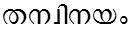
/thanvinayam/ meaning 'policy of a woman'


/man_vikshObham/ meaning 'explosion of mind'
/manvikshObham/ meaning 'fury of a lady'

General patterns of these examples are (both the forms of character capable of forming chillu) + (semi-vowels) and (ന in chillu or pure form) + ന. Above examples are just few from vast number possible with these pattern rules.


Counter-challenge from
Kenneth Whistler

If separate characters are encoded for Malayalam Chillus, so that the "challenge" distinction were to be encoded as:

"nn" is U+0D28, U+0D4D, U+0D28

"n_n" is U+0DXX, U+0D4D, U+0D28

implementers are then faced with determining what to do with the following sequence:

"???" is U+0D28, U+0D4D, U+200D, U+0D28

That sequence, of course, exists now, and would be a legitimate and possible sequence even if a Chillu-n is encoded. So how would a rendering engine render that sequence, and how would
it be distinguished, by an end user or a text process such as a search engine, from the proposed U+0DXX, U+0D4D, U+0D28 sequence for "n_n"?

That counter-challenge needs a "solution" for the encoding of Chillu characters to make sense for Malayalam. For if there is no solution forthcoming, addition of Chillu characters would potentially be *increasing* the ambiguity potential for the Unicode representation of Malayalam text, rather than decreasing it.


Solution to Ken's challenge

Half-form of NA (ന) is not chillu. It is described in detail here.


Now, we can use the rules in ZERO WIDTH JOINER in Indic Scripts standard to see the behavior of the challenge sequence. It will form the conjunct double ന്ന /nna/ as per the second bullet in the section 7-proposal of above pr#37.

2005-06-17

Unicode: Chillu: why not encode a diacritic tail

Essentially, what I have shown in the challenge is that the issue of (chillu ? chandrakkala) is not a derivative of the issue of (chandrakkala ? samvruthokaaram). These issues have to be tackled separately. So I am taking (chillu ? chandrakkala) alone now.

In the challenge, the words differ precisely in /nn/ and /n_n/ location. We know, in the phoneme space they are different. That is, dental ന + dental ന and alveolar ന + dental ന. How is this distinction is indicated in orthography? Before explaining that, let us look at chandrakkala once more.

Chandrakkala when used for vowellessness, is acting as a language specific control character. It removes the default 'അ' from the consonant behind it. That is, it is acting as an attribute remover.

It is the property of any vowelless consonant to get help from the consonant next to it as if that is a vowel and thus creating a conjunct. In /n_n/, this specific property is prevented. That is how alveolar n and dental n can stay close without conjunct forming transformations. How are we denoting the removal of this conjunct creation property? Are we using any specific symbols to indicate this? In fact, yes. It is a vertical tail across the letter.

Since chandrakkala exist as a separate orthographic entity detached from the letter, we can easy see its functionality. In contrast, conjunct creation preventer symbol get embedded in the orthography of a letter and that makes it difficult to recognize it.

So my conclusion (not a solution) is this: an malayalam specific control symbol, different from chandrakkala, is present in a chillu letter. Its functionality is 1) remove the inherent അ vowel 2) then prevent the consonant from forming deep conjunct with the next letter. If we recognize, the function (1) alone, we will not solve the riddle of chillu.

This symbol could be encoded as level-1 ignorable in the collation table, as most of the diacritic marks.

2005-06-13

Unicode: Chillu: half forms are not chillus

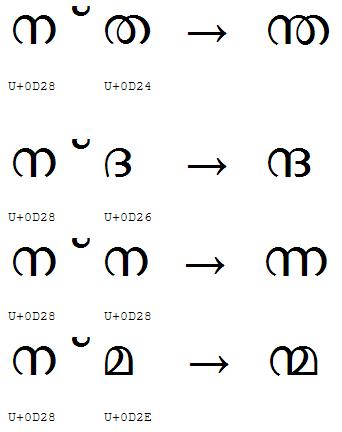
At least, 3 of the chillu forming consonants have half-forms different from chillus. As the first example, half-na is highlighted in this image:


Notice that half-na is not chillu-na. Below, we can see the half-consonant in action forming conjuncts with various characters:


Simillar to ന(NA), ക (KA) and ണ (NNA) also have following half-forms:


Their conjunct formation examples are:


2005-06-11

Unicode: Chillu: ZWJ shouldn't be overloaded for searching

Software Engineering Pragmatism

I have been in software industry for last 10 years. I know, as many of you do, this: If one entity does not have philosophical integrity, soon its minor functional variations will be interpreted differently or ignored by the developers and eventually it will be a perpetual bug in most of the software applications today or to come. You all can imagine, how much priority this Malayalam bug will get in each company's defect tracking.

To tell an example, couple of months back we faced with an issue of Unicode malayalam text getting truncated in Microsoft Outlook. After some google searches we stumbled upon this piece of information: http://www.landfield.com/usefor/1997/Aug/0142.html. Undoubtedly that would the attitude development process will take towards this special case.

I can clearly understand UTC's fondness towards ZWJ solution - it is just a one line change in the standard and chillus are history or UTC. But for Malayalam community, life with Unicode is just begun. The potential bugs in the software tools and usage diffculties (which Kevin explained) will haunt us for decades. So I would ask all to think twice before committing to overload ZWJ with language specific functions.

I still wonder what Arabic community was thinking when they allowed this to happen for them. Taking Arabic as an example, soon ZWJ will get overloaded many such language specific functions and this simple ZWJ will turn into the most unscrupulous codepoint in entire standard.

2005-03-28

ദൈവം തിന്മ ചെയ്യുമോ?

പഴയനിയമത്തിലെ പോലൊരു ദൈവം: മത്തായി 18:35

2005-03-20

ഈശോ - ഭക്ഷണവും മദ്യവും ഇഷ്ടമുള്ളവന്‍

എന്ന്‌ ഈശോ തന്നെ തന്നെ പറ്റി പറയുന്നു: ലൂക്ക 7:34

ആദ്യത്തെ അത്ഭുതം മുതല്‍ അവസാനത്തെ അത്താഴം വരെയുള്ള ഓരോ സംഭവങ്ങളിലും ഈശോയുടെ ഭക്ഷണത്തോടുള്ള അടുപ്പം വ്യക്തമാണ്. ആയിരക്കണക്കിനാളുകള്‍ക്ക്‌ ഭക്ഷണം വിളമ്പുന്ന അത്ഭുതങ്ങള്‍ അവയില്‍ ചിലതു മാത്രം.

അധഃസ്ഥിതരോടുള്ള തന്റെ സോളിഡാരിറ്റി ഈശോ കാണിച്ചിരുന്നതും അവരോടൊപ്പം ഭക്ഷണത്തിനിരുന്നായിരുന്നു.

എമാവൂസിലേയ്ക്ക്` പോയവര്‍ കൂടെയുള്ളത്‌ ഈശോ ആണെന്ന്‌ മനസ്സിലാക്കുന്നത്‌ തന്നെ, അവന്‍ ഭക്ഷണം കഴിക്കാനിരിക്കുമ്പോഴാണ്. അതില്‍ നിന്നും ഈശോയെ മറ്റു മനുഷ്യരില്‍ നിന്നു പോലും വേര്‍തിരിച്ചിരുന്ന ഒന്നായിരുന്നു ഭക്ഷണത്തോടുള്ള അദ്ദേഹത്തിന്റെ റിലേഷന്‍ എന്നും മനസ്സിലാവും.

ഈശോയുടെ ഓര്‍മ്മക്കായി ഒന്നേ അദ്ദേഹം ആവശ്യപ്പെട്ടിട്ടുള്ളൂ: എല്ലാവരും ഒരുമിച്ച്‌ ആഹാരംകഴിക്കുകയും മദ്യപിക്കുകയും ചെയ്യുക.

ഇതില്‍ നിന്നും, ഈശോയുടെ തപസ്സിന്റെയും, പിന്നീട്‌ പിശാച് ഈശോക്ക്‌ കൊടുക്കുന്ന ആദ്യപ്രലോഭനത്തിന്റെ വ്യാപ്തിയും നമുക്ക്‌ മനസ്സിലാവും.

സ്നാനം കഴിഞ്ഞപ്പോള്‍ യോഹന്നാന്‍ ഈശോയെ തിരിച്ചറിഞ്ഞോ?

ലൂക്കാ, മര്‍ക്കോസ്‌: ഇല്ല

സ്വര്‍ഗത്തില്‍നിന്നുള്ള സ്വരം ഈശോയോടുമാത്രമാണ്‌ സംസാരിക്കുന്നത്‌: 'നീ എന്റെ പ്രിയപുത്രന്‍... ലൂക്കാ 3:22, മര്‍ക്കോസ്‌ 1:11. അതുകൊണ്ടാണ്‌ ഈശോ ക്രിസ്തു തന്നെയോ എന്നറിയാന്‍ യോഹന്നാന്‍ ശിഷ്യന്മാരെ അയച്ചത്‌. (ലൂക്കാ 7:18-23)


മത്തായി: ഉവ്വ്‌

സ്വര്‍ഗത്തില്‍ നിന്നുള്ള സ്വരം യോഹന്നാനോടോ അവിടെ കൂടിയവരോട്‌ മുഴുവനുമോ ആണ്‌ സംസാരിക്കുന്നത്‌: 'ഇവന്‍ എന്റെ പ്രിയപുത്രന്‍...' മത്തായി 3:17

2005-03-19

ഈശോയുടെ സ്നാനത്തെപറ്റി ലൂക്കാ പറയുന്നതെന്ത്‌?

എല്ലാം ക്രമമായി എഴുതിയിരിക്കുന്നു എന്ന്‌ ലൂക്കാ അവകാശപ്പെടുന്നു. എന്നാല്‍ യൊഹന്നാനെ ജയിലിലടച്ചതിനു ശേഷമാണ്‌, ഈശോ സ്നാനം സ്വീകരിക്കുന്നത്‌. അതായത്‌ ഒന്നുകില്‍, എല്ലാം കാലക്രമത്തില്‍ എഴുതിയിരിക്കുന്നു എന്ന ലൂക്കായുടെ വാദം പൊള്ളയാണ്‌; അല്ലെങ്കില്‍ ഈശോയ്ക്ക്‌ സ്നാനം നല്‍കിയത്‌ യോഹന്നനല്ല.

വംശാവലി: മത്തായി Vs ലൂക്ക

ഈശോയുടെ അപ്പനപ്പൂപ്പന്മാരുടെ നെടുനീളന്‍ വംശാവലി മത്തായിയും ലൂക്കായും എഴുതിയിട്ടുണ്ട്‌. പക്ഷെ, രണ്ടും തമ്മിലുള്ള ചേര്‍ച്ച വെറും നാമമാത്രമാണ്‌.

മത്തായില്‍ ഈശോയ്ക്കും ദാവീദിനും ഇടയില്‍ 26 പേരുടെങ്കില്‍, ലൂക്കായില്‍ അത്‌ 43 ആണ്‌. ഈശോയുടെ അച്ഛന്‍ യൌസേപ്പൊഴിച്ച്‌ ഈ 26 പേരും 43 പേരും തമ്മില്‍ ഒരു ചേര്‍ച്ചയുമില്ല. ഇതുപോലെത്തന്നെ, ദാവീദില്‍ നിന്നും അബ്രാഹത്തിലെയ്ക്കുള്ള ദൂരം ലൂക്കായില്‍ 13 തലമുറയാണെങ്കില്‍ മത്തായില്‍ 15 തലമുറയാണ്‌. ചേര്‍ച്ചയുടെ കാര്യം നേരത്തെ പറഞ്ഞതു തന്നെ. മത്തായി അബ്രാഹത്തില്‍ വംശാവലി എഴുതുന്നത്‌ നിറുത്തിയെങ്കില്‍ ലൂക്കാ അത്‌ നോഹയിലൂടെ ആദം വരെയുള്ളത്‌ പറയുന്നുണ്ട്‌.

ഈശോ സ്വന്തം അമ്മ മറിയത്തെ തള്ളിപ്പറയുന്നു

ഈശോയുടെ ഈ വാക്കുകള്‍ ശ്രദ്ധിക്കുക:
1. 'സ്ത്രീയേ നിനക്കും എനിക്കും എന്ത്‌?' അമ്മയെന്നുപോലുമല്ല സംബോധന.
2. 'എന്റെ വാക്കുകേള്‍ക്കുന്നവരാണ്‌ എന്റെ അമ്മയും സഹോദരരും'
3. 'സ്ത്രീകളില്‍ നിന്നു ജനിച്ചവരില്‍ യോഹന്നാനേക്കാള്‍ വലിയവനില്ല' - അപ്പോള്‍ ഈശോയോ?
4. യോഹന്നാനോട്‌: 'ഇതാ നിന്റെ അമ്മ'

എല്ലായിടത്തും താന്‍ മറിയത്തിന്റെ/ഒരു സ്ത്രീയുടെ മകനല്ല അല്ലെങ്കില്‍ അതിന്‌ ഒരു പ്രസക്തിയുമില്ല എന്നു കൃത്യമായി പറയുന്ന ഈശോയെ ആണ്‌ നമ്മള്‍ കാണുന്നത്‌.

അതേ സമയം മകന്‍ ഒരു മഹാനാണ്‌ എന്നു മനസ്സിലാകി മൂകയായി അവനെ പിന്തുടരുന്ന - പ്രസംഗവേദികള്‍ മുതല്‍ ഗാഗുല്‍ത്താ വരെ - മറിയം ഹൃദയസ്പര്‍ശിയായ മറ്റൊരു ചിത്രമാണ്‌.

ഈശോ ജനിച്ചത്‌ ഒരു കാലിത്തൊഴുത്തിലോ?

ലൂക്കയുടേതാണ് ക്രിസ്തു ജനിച്ചതിനെ കുറിച്ച്‌ വിവരിക്കുന്ന ഏകസുവിശേഷം (ലൂക്ക 2). അതില്‍ കന്നുകാലികളും തൊഴുത്തും പ്രതിപാദിക്കുന്നില്ല. ആകെ പറയുന്നത്‌ കന്നുകാലികള്‍ക്ക്‌ ഭക്ഷണം കൊടുക്കുന്ന പാത്രത്തില്‍ (ഇംഗ്ലീഷില്‍ ‘manger‘) ജനനശേഷം ഈഷ്വായെ കിടത്തി എന്നു മാത്രമാണ്. ഈ പാത്രത്തില്‍ വെള്ളമാവാന്‍ വഴിയില്ല; വൈക്കോലാവാനാണ് സാധ്യത. മാത്രവുമല്ല അന്നുകാലത്ത്‌ കിടക്കയില്‍ നിറച്ചിരുന്നത്‌ വൈക്കോലാണ്. അതുകൊണ്ടുത്തന്നെ വൈക്കോല്‍ തൊഴുത്തില്‍ മാത്രം കാണുന്ന വസ്തുവല്ല.

യൌസേപ്പിനും മറിയത്തിനും സത്രത്തില്‍ താമസസൌകര്യം കിട്ടിയിരുന്നില്ല. അതേസമയം ജ്ഞാനികള്‍ ഉണ്ണീശോയെ കാണാന്‍ വരുന്നത്‌ ഒരു വീട്ടിലേയ്ക്കാണ്‌ (മത്തായി 2:11).

മൊത്തത്തില്‍ എല്ലാം ചേരുന്ന രീതിയില്‍ കാര്യങ്ങള്‍ ഇങ്ങനെ പറയാം: സത്രത്തില്‍ സ്ഥലം കിട്ടായ്കയാല്‍ അവര്‍ ഒരു പാവപ്പെട്ട ഇടയഗൃഹത്തില്‍ അഭയം പ്രാപിക്കുകയും പ്രസവശേഷം അവിടെയുണ്ടായിരുന്ന പുല്ലുനിറച്ച തൊട്ടിയില്‍ കുഞ്ഞിനെ കിടത്തുകയും ചെയ്തു.

2005-01-25

a way to achieve free market & equal distribution

No taxes. But inheritance income is not allowed. One may buy his ancestoral property from government - may be as a long term loan.

My definition of Money: The accounted goodness one did to others/society. Evaluation of the goodness is done by the person who recieves it.

Government now will have lots of wealth, which has to be distributed to equally to everybody as a pension scheme which starts from voting age - 18. If kids are of age less than 25 then they can still own the inherited assets in a restricted way. After 25, if they wants to keep it they have to take loan and pay its price.

Free market is important because it gives maximum accountability to one's actions.
Equal distribution is important because it gives everybody equal chance to prove how much good they can do to society.

Disadvantages
- implementation
- does not speak about charity

2005-01-07

Development of a toddler

Evolutionary developmental paradigm applied to linguistics

I just want to point out one simple observation. My 3 year old daughter says 'snEkam' for 'snEham'. And I am sure that she will learn to say 'snEham' soon.

But one thing to note is the evolution of Malaylam was from Tamil in which it is precisely 'snEkam' - 'ha' is a sanskrit origin alphabet. So just like an embryo transforms thru various evolutionary states, the various cultural/linguistics stages are displayed in the early years of development. Can this be true?

Making sense of from an absurd question
She repeats the question to me - Same way even teenagers tempted to do on an exam answersheet. May be that is how we all make sense of something. We repeat that to ourselves to remember clearer at later point of time. When we see bits and pieces of it later and join them to get complete picture in the course of time.

2004-12-21

Digging for traces of Monism in 4 Gospels

My solution to the riddle of Father, Son & Holy spirit
  • Father = Brahmam
  • Son = A enlightened being - buddha
  • Son of Man = Buddha of Compassion
  • Holy Spirit = Ultimate awareness about onself; obtained by enlightenment
  • Kingdom of God = Moksham & its blissful state happens with the arrival of Holy spirit

The look and behaviour of Jesus

It is interesting to look at BBC's depiction of Jesus.

I will suggest some modifications as per the prophecies in the Old testement.

Spirituality is a sleep

How does Roman Catholicism work against spirituality

Did you read Time article about God Gene?

The article describes that spirituality has a big genetic component. What it implies is Roman Catholic Church is systematically killing mankind's inherent spirituality.

This can be argued out easily. When somebody feels really spiritual, among Roman Catholics, he/she is suppose to become a priest/nun - essentially killing the spirituality gene.

In the light of these studies, Roman Catholics should encourage marriages between priests and nuns to preserve the gene and advice them to have as many kids as they could :)

There could be saints for sex too :))

Sleep & Nirvana

Humor aside, this points to the inverse relationship between human libido and spirituality. Almost all godmen/women (Jesus, Buddha, Adi Sankara, Vivekananda, Meera etc) were never considered specifically interested in sexuality and its celebration. (There could be some counter-examples like Osho; however this class is very small) Also, there are vast spiritual institutions which have celibacy as one of its main rules. I don't think these are just coincidence. Those things that exists for millenniums are not just social constructs; but they very well could be gene constructs.

So we can see that the spirituality property is not reproductively rewarded as power or intelligence. Remember the abundance of Genghis Khan's genes :)

But what could be the neuroscience/evolutionary explanation for this inverse relationship between a genetic property and reproduction?

We have 2 choices:
1. Spirituality is kind of a brain decease and some level of tolerance is evolutionaly allowed.

2. Spirituality is not actually a property, instead it is the off state of some survival abilities - analogous to sleep. So the genes of those who 'sleep' 24 hours are never propagated :) May be this is what happens in a meditation session where this 'sleep' state is consciously invoked in the brain. For spiritual people, attaining this 'sleep' state is very easy. But for other advanced humans, this may be hard :) However it may be good to have some time of quality 'sleep'.

This argument is in perfect accordance with what we see when people becomes old. All their physical & mental devices slow down when they get older. If spirtuality had been an ability of the mind, then why does this spiritual ability alone improve with oldage. So as per my argument before, when in youth, these anti-spiritual abilities of brain is in its peak. It decline afterwards and person becomes more spiritual. So for me also, a day will come, to be spiritual :)

In a different thought, it can also be viewed as the rebirth of genes as different humans until the last person attains spiritual enlightenment and never bother about reproduction. So that gene has achieved eventual nirvana after so-many 'lives'.

2004-09-22

Adi Sankara & Keralan Christianity

Hypothesis:Adi Sankara adopted much from Christianity and Buddhism of his age.


Preface


Sankara's buddhism assimilation is extensively studied already. He is even addressed as 'prachhanna buddha' . Nevertheless I will list whatever I have found - just for my own satisfaction. Christian assimilation will be emphasised, though.

Thanks to Sanjay Chandrasekhararan for the information and pointers on the philosophical aspects of buddhism and advaita.

Please use http://www.wikipedia.org, for explanation of the keywords.

Important years
Buddha was born around 563 BC
Christ was born around 5 BC
Adi Sankara was born in 788 AD in Kaladi in the coast of Periyar.

Keralan Christianity at 800 AD
The coast of Periyar was not just any place in Tamil Kerala. Muzaris (Kodungaloor) - most important Indian port of that time - was at the mouth of Periyar. It was a melting pot of many cultures and religions. Chinese, Arabs, Romans, Greeks all had very active spice trade with India through that port. Thus that area came into contact with all great religions of the world.

Due to lack of historical evidences, I do not believe St. Thomas came to Kerala. May be his close disciples would have. I count Thomas Knana's arrival (>325 AD) as first (only?) major Christian migration to India. Before that whatever Christianity existed in Kerala would have been something like Jews in Kochi now :) Remember first major Brahmin migrations to Kerala also happened at that period ~300 AD.

Therefore, Christianity has nearly completed 500 years when Sankara was born. From Malayatoor to Angamali to Kodungaloor, there were many important Christian centers in the coast of Periyar. Remember those were the golden ages of Byzantian Christian Empire. Christian theology, traditions and images were all dominated by this powerful empire. Images were a lot sacred to them and Christians still use those famous icons. (refer Iconoclasm & and its eventual failure)

Thomas has a gospel of his own. It was discovered in 1945 from Nag Hammadi in Egypt. It is considered Gnostic. That means, it is drastically different text and forwards a different theology compared to other 4 gospels. St. Thomas' Gnostic theology and his gospel could have been, at the least, known among Christian intellectuals in the Periyar coast. As you may already know, Gnostism goes well with Buddhism & Advaita.

My view of Buddhism
In it essence, Buddhism is exploring the spirituality; and only spirituality. It is not interested in a God story. In fact, one can plug his own God story to Buddha's spiritual practices with little imagination. Buddha's conscious silence about his own God, I believe, is from his principle on never to let his disciples follow anything which he didn't experiment or test - as a scientist. Nevertheless, Buddhism couldn't satisfy an Indian's thirst for a God story & theory.

People who meditate are known to experience a universal oneness between self and other creatures and everything in the universe. This gives birth to Buddha's compassion to all. So a Buddhist's personal god theory can very well be Advaita.

What Sankara achieved was to successfully connect his Advaita experience to Vedas and Vedanthas and bring forward a God theory consistent with them.

Now to the evidences...

Image Evidences
Look at these iconic images - Adi Sankara's sitting pose and Byzantine Christ (google image search will suffice). I would argue Sankara's image is a merge of Christian icons and his own Brahmanic & Shivite traditions. That is, his graphic designer could have been his Nasrani friend in Angamali :-)


  1. Hand posture is same as that of Jesus. The typical posture of a Hindu deity is different - it is full palm facing the observer or holding something. Hand postures are important because that signifies what he claims to be. Jesus' icons adopted Apollo's finger expression to claim that he is God. Sankara's posture may be presenting him as a great teacher like Jesus.

  2. The bible is replaced with Veda.

  3. The stick in his hand graphically resembles the cross

  4. The headscarf is still used by orthodox Christian bishops. I haven't seen any other Indian sects use headscarf this way.

Monistic quotes from Gospel of Thomas

  1. "the kingdom is within you, and it is outside of you. When you know yourselves, then you will be known, and you will know that you are the sons of the living Father" Quote 3
  2. "for there are many first who shall be last, and they will become a single one" Quote 4
  3. "When you make the two one and make the inside like the outside and the outside like the inside and the above like the below... - then you will enter the kingdom" Quote 22
  4. Jesus said: "If the flesh came into existence because of the spirit, it is a marvel. But if the spirit (came into existence) because of the body, it is a marvel of marvels." Quote 29
  5. Jesus said, "If they say to you (plur.), 'Where are you from?' say to them, 'It is from light that we have come - from the place where light, of its own accord alone, came into existence and [stood at rest]. And it has been shown forth in their image.' Quote 50
  6. Jesus said: I am the light that is above them all. I am the all; the all came forth from me, and the all attained to me. Cleave a (piece of) wood; I am there. Raise up a stone, and you will find me there. Quote 77
  7. Jesus said, "Images are visible to human beings. And the light within these (images) is hidden by the image of the father's light; it will be disclosed. And his image is hidden by his light." Quote 83
  8. "When you make the two into one, you will become like me (Son of Man)" Quote 106. "onnaaya ninneyiha randennu..." is the most popular quote from Advaita. (I still can not find the source of it)
  9. Jesus said: He who drinks from my mouth will become like me, and I will become like him, and the hidden things will be revealed to him. Quote 108

Buddhist Metaphors

  1. Famous Snake-Rope Buddhist metaphor appears in Viveka Chudamani sloka 11.

Social Structure Evidence


  1. Buddhism & Christianity are great missionary religions. Hinduism never was. Sankara was the first Hindu missionary.

  2. Establishment of 7 & 1/2 churches of St. Thomas and 4 & 1/2 Mutts by Adi Sankara

  3. Unmarried monks staying together was not heard in Hinduism until Sankara. It has been practiced widely in Buddhism and Christianity.

Conclusion

This don't conclusively prove anything. This is just a thought line for new explorations to this observation.

There are more 'thathwamasi' in Gospel of Thomas and others. They needs to be listed. 'aham brahmasmi' in Gospels is left as an excersise to readers :)

Regarding the icons we will need to find the period of their origin. More than that, we need to investigate more into the 9th century of Kerala. The events in that century could have been the precursor to the turbulent period that followed. We need to ask what changed in the 8th and 9th century Keralan society and why.

2004-09-21

കേരളം, ബുദ്ധന്‍, ക്രിസ്തു, ശങ്കരന്‍ - മറുപടികള്‍

(original article)

പ്രത്യേകിച്ചൊരു ഓര്‍ഡറില്‍ അല്ലാതെ മറുപടികള്‍‍:

ബുദ്ധനെ 'തികഞ്ഞ നാസ്തികന്‍' എന്നു വിളിക്കുന്നതേതാണ്ട്‌ കോണ്‍ഗ്രസല്ലാത്തവനെ കമ്മ്യൂണിസ്റ്റ്‌ എന്നു വിളിക്കും പോലെയാണ്‌.

spiritual enlightenment ആണ്‌ പരമപ്രധാനം; ഈശ്വരസങ്കല്‍പ്പങ്ങള്‍ അതിന്‌ സഹായിക്കുന്നേ ഇല്ല; പകരം ജ്ഞാനോദയത്തിനാഗ്രഹിക്കുന്നവരെ ഡിസ്റ്റ്രാക്റ്റ്‌ ചെയ്യുകയാണിവ ചെയ്യുന്നതെന്ന പക്ഷക്കാരനായിരുന്നു ബുദ്ധന്‍. അല്ലാതെ ഈശ്വരനുണ്ടെന്നോ ഇല്ലെന്നോ പറയാന്‍ ബുദ്ധന്‍ മെനക്കെട്ടിട്ടില്ല.

മാവേലിയുടെ വേഷപ്പകര്‍ച്ച സാന്താക്ലോസില്‍ നിന്നാണെന്നാണ്‌ എന്റെ വാദം.. രണ്ടുപേരും ആണ്ടിലൊരിക്കാല്‍ ടൂറിസ്റ്റ്‌ വിസയെടുത്ത്‌ എത്തുന്നവരാണല്ലോ :)

മാവേലിയില്‍ നിന്നും വ്യത്ര്യസ്തമായി ശങ്കരരൂപം ക്ഷേത്രച്ചുമരുകളില്‍ കാണാനാവും: ഉദാഹരണം തൃശ്ശൂര്‍ വടക്കുന്നാഥന്‍. ഇനി അതെവിടേനിന്നെന്നാണെന്ന്‌ തീര്‍ച്ചയായും അന്വേഷിക്കെണ്ട വിഷയമാണ്‌.

കേരളത്തിന്റെ 300AD മുതല്‍ 800AD വരെയുള്ള ചരിത്രവും ചരിത്രരേഖകളുടെയും കാര്യം കഷ്ടമാണ്‌ - പറയാന്‍ മാത്രം അധികമൊന്നുമില്ല. (അതുകൊണ്ടാണല്ലോ എന്നേപ്പോലുള്ള മെനച്ചുകെട്ടല്‍ ടീംസ്‌ ഓരോന്നുണ്ടാക്കുന്നത്‌ :) അതാണെങ്കിലും, 300-400AD-ക്ക് ശേഷം ക്രിസ്ത്യാനികള്‍ കേരളത്തില്‍ ഉണ്ട്‌ എന്ന്‌ ഏകദേശം ഉറപ്പാണ്‌. [കേരള-ക്രിസ്ത്യാനി ചരിത്രം. റോമന്‍ കാത്തോലിക്‌ അച്ചനാണ്‌ ഇതെഴുതുന്നതെങ്കിലും, പാരമ്പര്യവും ചരിത്രവും വേര്‍തിരിച്ചു പറയാന്‍ കക്ഷി ശ്രമിക്കുന്നുണ്ട്‌. വേണ്ടവര്‍ക്കങ്ങനെയും വായിക്കാം.] ഇനിയും, 800-ാ‍ം ആണ്ടില്‍ കാലടിഭാഗത്തെ ക്രിസ്ത്യാനികളുടെ എണ്ണമെത്ര എന്നു ചോദിച്ചാല്‍ ഉടയതമുപുരാന്‍ പോലും കൈമലര്‍ത്തും. എങ്കിലും ശങ്കരന്‍ ജനിക്കുന്നതിനു 400 വര്‍ഷം മുമ്പുമുതലേ കാലടി പ്രദേശത്ത്‌ ക്രിസ്ത്യാനികള്‍ എന്നൊരു ജാതി ഉണ്ടായിരുന്നു എന്നു മാത്രം പറയാം. പത്തു പന്ത്രണ്ട്‌ തലമുറകള്‍ക്ക്‌ വേണ്ടകാലമാണല്ലോ അത്‌.

സൂ.. 300AD-യ്ക്ക്‌ മുമ്പ്‌ ക്രിസ്ത്യാനികള്‍ ഉണ്ടായിരുന്നെങ്കില്‍ കൂടി അവരുടെ എണ്ണം ഇന്നത്തെ കേരളത്തിലെ യൂദന്മാരുടെ എണ്ണത്തിന്റെ അത്രയേ വരുമായിരുന്നുള്ളൂ എന്നാണ്‌ ഉദ്ദേശിച്ചത്‌. വളച്ചു കെട്ടിയെഴുതി വടിയായി :( സൂ പറഞ്ഞതു തന്നെയാണ് എന്റെ തികച്ചും വ്യക്തിപരമായ നിഗമനം: ബുദ്ധനോളം വരില്ല മറ്റാരും; ബുദ്ധന്‍ പറഞ്ഞതുതന്നെയാണ് വര്‍ഷങ്ങളായി നാം പിന്നേയും പിന്നേയും കേട്ടുകൊണ്ടിരിക്കുന്നത്.

പെരിങ്ങോടര്‍ പറഞ്ഞപോലെ, A -> B, A -> C, so B ~ C ശരിയാവാം അല്ലാ‍യിരിക്കാം. തിയറികളേക്കാള്‍ പ്രധാനം തെളിവുകള്‍ക്കാണ്. കേരള നാമചരിത്രം നമ്മള്‍ പുല്ലൂ‍രാന്‍ എഴുതി വായിച്ചില്ലേ അതുപോലെ റിഗറസായ തിയറികളും തെളിവുകളും ആണെന്റെ സ്വപ്നം.

ശങ്കരന്റെ വാദപ്രതിവാദങ്ങളെ പറ്റി വായിച്ചിട്ട്‌ അധികമൊന്നും മുന്നോട്ട്‌ പോകാന്‍ പറ്റിയില്ല. ലോജിക്കിലും ഫിലോസഫിയിലും വേണ്ടാത്ത ഒരു അഭ്യാസമായി തോന്നി. വായിച്ചു മനസ്സിലാക്കാന്‍ പറ്റിയവര്‍ ക്ഷമാശീലര്‍; അവര്‍ ദൈവത്തെ കാണും :)

ശങ്കരനുമായി വാദത്തില്‍ തോറ്റ 8000 ജൈനസന്യാസിമാരെ (അതോ ബൗദ്ധന്മാരോ) പാണ്ടിരാജാക്കന്മാര്‍ തലവെട്ടിയതായി വായിച്ചിട്ടുണ്ട്‌. മൊത്തം പരിപാടികള്‍ അത്യാവശ്യം തറയായിരുന്നെന്ന്‌ ഊഹിക്കാം.

2003-10-08

bhasha survival kit, if you are not from central travancore

ÎicÄßøáÕÄÞ¢µâV ®K dÉçÏÞ·Õᢠ®dÄ ÖøßÏÞæÃKùßÏß�; ²øá ÎÞMí ®¿áJá çÈÞAßÏÞW æµÞ�¢ ¦Ãí ÄßøáÕÄÞ¢µâùßæa ÎicJßW.


²æøÝáJá ÍÞ×ÏᢠآØÞøÍÞ×Ï�; ¦çÕI µÞøcæÎÞGß� ÄÞÈá¢.
ÎicÄßøáÕÄÞ¢µâV ÍÞ×ÏÞÃí ®ÝáJáÍÞ× ®K illusion ©IÞÏÄßÈá µÞøÃ¢ ÎÞÇcÎB{ÇßµÕᢠ¥Õßç¿ ÈßKÞÏßøáKá ®KÄá æµÞIÞÃí.


MT, ÎÞÇÕßAáGß Äá¿Bà ÇÞøÞ{æÎÝáJáµÞV ÕUáÕÈÞ¿X øàÄßÏáÉçÏÞ·ßAÞX Äá¿BßÏÄáæµÞIí ¥ÄßÈᢠ²øá ¦ÂcÄb¢ ÕKáçºVKá. §çMÞZ ÄßøáÕÈLÉáøæJ æÉYµáGßµZ '§�c" ®çK ÉùÏâ ®æKÞøá ØáÙãJßæa øØµøÎÞÏ Èßøàfâ.


ÈÞ{æJ dÉÎÞÃßJ¢ ¦VAÞÃÞçÕÞ.
.


ÎicÄßøáÕÄÞ¢µâùßW Æá×ß�áçÉÞÏ ÕÞAáµ{ᢠ¥Äßæa ÖøßÏÞÏ ®ÝáJáÎÜÏÞ{Õᢠ¦Ãí ÄÞçÝ:


fa __ Í

µß¿ÞÕí ®KÞW ®ÝáJáÎÜÏÞ{JßW µáGß/©Hß ®KÞÃVj¢ _ ÎÜÏÞ{Jᑚ ¯xÕᢠdÉØßiÎÞÏ ÄÞøÞGáÉÞçGÞVNßAáµ.
Éæf, ÎicñßøáÕÄÞ¢µâùßW ¥Äí ÉÖáAáGß ®KÞÕá¢.

®LßçÏ __ ®Õßæ¿

®LßçÏø¢ __ ®LáÎÞdÄ¢

®Oß¿ß __ ÇÞøÞ{¢

®KÞ __ ®LÞ

µMÜIß __ µÖáÕIß

µ¿Ü __ µMÜIß

dµßÏÞÇÞÄá + çµÜ __ dµßÏÞÇÞÄá + §�

©ÆÞ: ÕøáçµÜ __ Õøß�

2003-09-27

Malayalam Phonetic Alphabet

ഏകദേശം 1000 വര്‍ഷങ്ങള്‍ക്ക്‌ മുമ്പ്‌ ഭാഷയെ സംബന്ധിച്ചിടത്തോളം ഇന്നത്തെ അവസ്ഥ തന്നെ ആയിരുന്നു മലയാളത്തിന്‌. സാധാരണ സംസാരഭാഷ തമിഴിന്റെ ഒരു dialect. എന്നാല്‍ എഴുത്തുഭാഷ അറിയുന്നവര്‍ക്ക്‌ കുറേ സംസ്കൃതം വാക്കുകളും എഴുതാതെ തരമില്ലെന്നായി. അങ്ങനെ കേരളത്തിലെ തമിഴിനേയും സംസ്കൃതത്തിനെയും, മണിപ്രവാളങ്ങളായും മറ്റും പല രീതിയില്‍ കൂട്ടിക്കുഴച്ചു നോക്കി. അവസാനം ഉരുത്തിരിഞ്ഞു വന്ന രൂപമാണ്‌ ഇന്നത്തെ മലയാളം. അതായത്‌ ലളിതമാക്കിയ തമിഴ്‌ വ്യാകരണത്തില്‍ ഇഷ്ടം പോലെ തമിഴോ സംസ്കൃതമോ ആയ വാക്കുകള്‍; അക്ഷരമാലയാകട്ടേ സംസ്കൃതത്തിനോട്‌ ദ്രാവിഡര്‍ക്കുമാത്രമുള്ള 'ള', 'ഴ', 'റ', ചേര്‍ത്തത്‌. ഇവയ്ക്ക്‌ തമിഴ്‌ ലിപിയുടെ ഡിസൈനിലുള്ള ലിപിസഞ്ജയവും.

അന്ന്‌ കേരളത്തിലെ തമിഴും, സംസ്കൃതവും തമ്മില്‍ കൂടിക്കലര്‍ന്ന്‌ മലയാളഭാഷ ഉയര്‍ന്നുവന്നെങ്കില്‍, ഇന്ന്‌ ആ ഒരു സങ്കലനം നടക്കാനിരിക്കുന്നത്‌ മലയാളവും ഇംഗ്ലീഷും തമ്മിലാണ്‌. അതെങ്ങനെയായിരിക്കും എന്നെനിക്ക്‌ പറയാനാവില്ല. എങ്കിലും അനിവാര്യമായ ഈയൊരു മാറ്റത്തിന്‌ പുറംതിരിഞ്ഞു നില്‍ക്കാതിരിക്കുകയെന്നത്‌ സുപ്രധാനമാണ്‌ - മലയാളികള്‍ക്ക്‌ നമ്മുടേതായൊരു ഭാഷ ഇനിയും വേണമെന്നാഗ്രഹമുണ്ടെങ്കില്‍. കാരണം, അത്യന്തികമായി ഒരു ഭാഷ ജനങ്ങളാല്‍ ഉപയോഗിക്കപ്പെടുന്ന ഒന്നാണ്‌; വ്യാകരണപുസ്തങ്ങളോ ഇന്‍സ്റ്റിറ്റ്യൂട്ടുകളോ നിര്‍വചിക്കുന്ന ഒന്നല്ല. അവയ്ക്ക്‌ ആയിരിക്കുന്ന ഭാഷയുടെ അവസ്ഥയെ ക്രോഡീകരിക്കാനും പൊതുനിയമങ്ങളെ ചൂണ്ടിക്കാണിക്കാനും മാത്രമേ ആവൂ.

ഈയൊരു ചിന്തയുടെ തുടര്‍ച്ചയായി, മലയാളം phonetic അക്ഷരമാലയെ ഡിസൈന്‍ ചെയ്യാനൊരവസരം കിട്ടിയാല്‍... എന്നു സ്വപ്നം കാണുകയാണ്‌ ഞാന്‍.

ഒരു സാധാരണക്കാരന്‍ ഉപയോഗിക്കുന്ന മലയാളം വാക്കുകള്‍ക്ക് മാത്രമാണിത് ഉപയോഗിക്കാവുന്നത്. സംസ്കൃതശ്ലോകങ്ങള്‍ക്കും മറ്റും ഈ വര്‍ണ്ണമാല സ്വീകാര്യമാവില്ല. എങ്കിലും, സംസ്കൃതത്തില്‍ നിന്നിനിയും വാക്കുകള്‍ കടമെടുക്കപ്പെടാത്തതുകൊണ്ട് ഈ ഒരു restriction പ്രശ്നമാവില്ല എന്നാണെന്റെ തോന്നല്‍.

താഴെ, സ്വരങ്ങളും വ്യഞ്ജനങ്ങളും അവയുടെ ഉച്ചാരണസ്ഥാനത്തിനനുസരിച്ച്‌, വായുടെ ഉള്ളില്‍ നിന്നും പുറത്തേയ്ക്കുള്ള മുറയ്ക്കാണ്‌ ക്രമീകരിച്ചിരിക്കുന്നത്‌ - കണ്ഠ്യം, മൂര്‍ദ്ധന്യം, എന്നിങ്ങനെ.

സ്വരങ്ങള്‍: അ ്‌ എ ഇ ഒ ഉ
മധ്യമങ്ങള്‍: യ (ഇ+അ), വ (ഉ+അ)
സ്വരങ്ങള്‍ക്കും മധ്യമങ്ങള്‍ക്കും മാത്രം ചിഹ്നങ്ങള്‍.

മറ്റു വ്യഞ്ജനങ്ങള്‍:
ക ഖ ഗ ങ
ട ഠ ഡ ണ
റ്റ ന (as in ഞാന്‍)
ത ധ ദ ന
ച ഛ ജ ഞ
പ ഭ ബ മ


ഴ ഷ
റ ള
ര ല
ശ സ
ഫ (as in fan)

meta symbols:
ാ‍ - ഏത്‌ സ്വരത്തിന്റേയും ദീര്‍ഘം.
' - ഒരു വ്യഞ്ജനത്തില്‍ നിന്നും inherent 'അ' എടുത്തു കളയുവാന്‍. ഈ ചിഹ്നം ഉള്ളതുകൊണ്ടും, 'യ', 'വ' എന്നിവയ്ക്ക്‌ പ്രത്യേകം ചിഹ്നങ്ങള്‍ ഉള്ളതുകൊണ്ടും, ചില്ലുകള്‍ ആവശ്യമില്ല. ഭാവിയില്‍ ഇംഗ്ലീഷില്‍ നിന്നും മലയാളത്തിലേയ്ക്ക്‌ വരാനിരിക്കുന്ന വാക്കുകളെ കുറച്ചുകൂടി കൃത്യമായി എഴുതാനും ഇതു സഹായിക്കും. യഥാര്‍ത്ഥത്തില്‍ ഇപ്പോള്‍ മലയാളത്തിലെ ' ്‌' എന്ന ചിഹ്നം വഹിക്കുന്ന 2 ധര്‍മ്മങ്ങളില്‍ ഒന്നിനെയെടുത്ത്‌ ഈ ചിഹ്നത്തിന്‌ കൊടുക്കുകയാണ്‌ ചെയ്തത്‌.


മറ്റു വ്യത്യാസങ്ങള്‍:

1. അതിഖരങ്ങളെയും ഘോഷങ്ങളെയും ഒന്നിച്ചു ചേര്‍ത്ത്‌ രണ്ടിനും ഇടയില്‍ വരുന്ന ഒരു ഉച്ചാരണം മാത്രം എടുത്തു. അവയെ ആണ്‌ 'ഖ ഠ ധ ഛ ഭ' എന്ന ലിപികള്‍കൊണ്ട്‌ കാണിച്ചിട്ടുള്ളത്‌. ഉദാഹരണത്തിന്‌ 'മകന്‍' എന്നുച്ചരിക്കുമ്പോള്‍ 'ക'-ക്കും 'ഗ'-ക്കും ഇടയിലെ ഒരുച്ചാരണമാണ്‌ മലയാളത്തിനുള്ളത്‌. ആ imaginary അക്ഷരത്തിന്റെ aspiration ആണ്‌ പുതിയ 'ഖ'. ഒറ്റയ്ക്ക്‌ നില്‍ക്കുന്നതും ഖരത്തോടും മൃദുവിനോടും ചേരുന്നതുമായ 'ഹ' എന്ന aspiration ആണ്‌ തമിഴില്‍ നിന്നും മലയാളം രൂപപ്പെട്ടപ്പോഴുണ്ടായ മുഖ്യമായ മാറ്റം എന്നു പറയാം. എന്നാല്‍ സംസ്കൃതത്തിന്റെയത്ര 'ഹ'-ടെ sophistication മലയാളത്തില്‍ ഇപ്പോഴും ആവശ്യമുണ്ടെന്നു തോന്നുന്നില്ല. Gene-കൊണ്ട്‌ ദ്രാവിഡരായ മലയാളികള്‍ 1000 കൊല്ലം പയറ്റിയിട്ടും, അതിഖരങ്ങളും ഘോഷങ്ങളും ഇപ്പോഴും വഴങ്ങുന്നില്ല. അതുകൊണ്ട്‌ ആ 10 അക്ഷരങ്ങളെ 5 ആക്കി കുറക്കാവുന്നതാണ്‌. മാത്രവുമല്ല, ഒരു വര്‍ഗ്ഗത്തിലെ അതിഖരവും ഘോഷവും തമ്മില്‍, ഒരോ അക്ഷരവും ഒറ്റക്ക്‌ ഉച്ചരിക്കുമ്പോഴുള്ളത്ര വ്യത്യാസം, വാക്കില്‍ ഉപയോഗിക്കുമ്പോള്‍ ഇല്ല. കൂടാതെ, സാധാരണ ഉപയോഗിക്കുന്ന ഏതു രണ്ടു മലയാളം വാക്കുകളും അതിഖരം ഘോഷം എന്നിവയില്‍ മാത്രം വ്യത്യാസപ്പെടുന്നതായി കണ്ടില്ല.

'ഖ', 'ഠ' & 'ഥ' (ശരിയാണോ എന്നറിയാത്ത ചില side-thoughts)
a) വാക്കിന്റെ തുടക്കത്തില്‍ വരുന്ന അതിഖരഘോഷങ്ങള്ക്കാണ്‌ സ്വന്തമായ ഉച്ചാരണമുള്ളത്. അല്ലാത്തപ്പോള്‍ അവ ഘോഷങ്ങളായിത്തന്നെ ശബ്ദിക്കുന്നു: 'രാധ'യും 'രഥ'വും പോലെ. 'ഖ'-യുടെ കാര്യത്തിലാണെങ്കില്‍ വാക്കിന്റെ ആദ്യാക്ഷരമാണെങ്കില്‍ പോലും അത് ഘോഷമാവുന്നു: 'ഖര'വും
'ഘന'വും ശ്രദ്ധിക്കുക. 'ഠ', 'ഥ' എന്നിവയില്‍ തുടങ്ങുന്ന വാക്കുകള്‍ പ്രയോഗത്തിലില്ല.. 'ഠാണാവ്' 'ഥോണി' എന്നീ സ്ഥലപ്പേരുകളുണ്ടെങ്കിലും അവയിലും ഉച്ചാരണം 'ഢാണാവ്' 'ധോണി' എന്നിങ്ങനെ ആയിമാറുന്നു.

b) 'ത്ഥ', 'ച്ഛ', 'ദ്ധ' തുടങ്ങിയ aspirated doubles-ഇലും അതിഖരഘോഷങ്ങളുടെ ഉച്ചാരണവ്യത്യാസം തെളിയുന്നുണ്ട്. പക്ഷെ, അതിനുവേണ്ടിമാത്രമായി ഓരോ വര്‍ഗ്ഗത്തിലും രണ്ടിനേയും സൂക്ഷിക്കുന്നത് economical ആണോ? 'പ്രാര്‍ത്ഥന' എന്നത് 'പ്രാര്‍ത്‌ധന' എന്നുപോരെ? ഉച്ചാരണവ്യത്യാസമുണ്ടോ? ഇവിടെ 'ഥ' ആയാലും 'ധ' ആയാലും കാണിക്കുന്നത് 'ത്ത'യുടെ aspiration മാത്രമാണ്‌.


2. 'നന' എന്നതിലെ ആദ്യത്തെ 'ന' ത-വര്‍ഗ്ഗത്തിലും രണ്ടാമത്തെ 'ന' 'റ്റ'-വര്‍ഗ്ഗത്തിലും ചേര്‍ത്തു. അങ്ങനെ 2 'ന' phonetic അക്ഷരമാലയില്‍ ഉണ്ട്‌.

3. സ്വരങ്ങളുടെ equivalances:
ഐ = അയ'
ഔ = അവ'
ഋ = റ്‌
അം = അമ'
് = as in 'അത്‌' - സംവൃതോകാരം മാത്രം

4. കൂട്ടക്ഷരങ്ങളും ചുരുക്കെഴുത്തുകളും ഒക്കെ ആവാം. പക്ഷെ, എല്ലാറ്റിനെയും മുകളിലെ അക്ഷരമാലയിലെ അക്ഷരങ്ങള്‍ മാത്രമായി പിരിക്കാന്‍ പറ്റും/പറ്റണം.

ഡിസൈനില്‍ ശ്രദ്ധിച്ചിരിക്കുന്ന കാര്യങ്ങള്‍:
1. ലളിതമാക്കുക
2. സ്വന്തമായി സ്വരമില്ലാത്ത meta symbols കഴിവതും കുറയ്ക്കുക.
3. കൂടുതല്‍ ഇംഗ്ലീഷ്‌ വാക്കുകളെ കുറച്ചു കൂടി കൃത്യമായി എഴുതാനാവുക.
4. ഇപ്പോഴുള്ള എല്ലാ മലയാളംവാക്കുകളെയും എഴുതാനാവുക
5. അക്ഷരങ്ങളും phonemes-ഉം തമ്മില്‍ one-to-one mapping സദ്ധ്യമാവുക. അതുകാരണം, ഒരു extra complications-ഉം ഇല്ലാതെ Unicode-ന്‌ ഈ അക്ഷരമാല അതേ പടി ഉപയോഗിക്കാവുന്നതാണ്‌.

2003-09-19

Two summers in an year!

Consider people living between tropic of cancer to tropic of capricon - that is, within 23.5degrees close to equator. They have two summers (summer is the time of the year at which sun is closest to that location). When sun travels from south to north and viceversa.

Now think about people in Kerala, they are 10deg north of equator. On March 21 sun is shining directly above equator. Then around April 15 sun reaches directly above Kerala on its travel to north. This is the first summer of the year for kerala. Sun will continue travel north till Gujarat(it is on tropic of cancer). On June 21 when sun is shining over tropic of cancer, it is 13deg north of kerela.

Then it will start its travel south. Around Aug 31 sun will be directly above kerala again. This is the second summer of the year. The summers are only 4 months apart.

For somebody in Kenya (on equator) there will be two summers and winters in an year and they will be exactly 6 months apart. So for them half year will be more important measure of time than an year for those live north or south of respective tropics.

The eliptical orbit of earth around sun does not have much effect on these summers. In this orbit, earth is closest to sun on Jan 4; farthest on Jul 4. Both the Kerala summer points are around 3.5 & 4 months away from Jan4 (closest day).

2003-09-18

Two summers explain Monsoon

It is almost like somebody doing hammer throw. Wait I will explain. Hammer is the heavy rainwater cloudes. Person carrying the hammer is the point of force - the low pressure.

On Apr 15 sun is directly above Kerala. It is hot and pressure is low. So it is pulling the rain clouds from the sea. They will reach kerala after around 1.5 months(on June 1). In fact, the clouds will always trail behind the low pressure point like a heavy hammer.

On July 21, sun is over Gujarat so is the low pressure point. Afterwards it will go back towards equator. So will the rain clouds. It will rain over north of Gujarat and then retreating monsoon will start.

On Aug 31 Kerala is again the hotest point. Within one month the rain clouds trailing behind the low pressure point will reach kerala. That is the iTavappaathi.

Traffic Pattern: I290 east on Friday - Rt53 to Loop


12:00 AM (28 min) oooooooooooooooooooooooooooo (01 min) o
12:15 AM (28 min) oooooooooooooooooooooooooooo (01 min) o
12:40 AM (27 min) ooooooooooooooooooooooooooo (01 min) o
12:50 AM (27 min) ooooooooooooooooooooooooooo (00 min)
01:05 AM (27 min) ooooooooooooooooooooooooooo (01 min) o
01:20 AM (26 min) oooooooooooooooooooooooooo (00 min)
01:35 AM (27 min) ooooooooooooooooooooooooooo (01 min) o
01:55 AM (26 min) oooooooooooooooooooooooooo (01 min) o
02:00 AM (26 min) oooooooooooooooooooooooooo (01 min) o
02:15 AM (27 min) ooooooooooooooooooooooooooo (00 min)
02:40 AM (27 min) ooooooooooooooooooooooooooo (01 min) o
02:45 AM (28 min) oooooooooooooooooooooooooooo (01 min) o
03:05 AM (27 min) ooooooooooooooooooooooooooo (01 min) o
03:20 AM (27 min) ooooooooooooooooooooooooooo (01 min) o
03:30 AM (28 min) oooooooooooooooooooooooooooo (01 min) o
03:45 AM (28 min) oooooooooooooooooooooooooooo (01 min) o
04:00 AM (27 min) ooooooooooooooooooooooooooo (00 min)
04:25 AM (27 min) ooooooooooooooooooooooooooo (00 min)
04:35 AM (28 min) oooooooooooooooooooooooooooo (00 min)
04:55 AM (27 min) ooooooooooooooooooooooooooo (01 min) o
05:05 AM (27 min) ooooooooooooooooooooooooooo (00 min)
05:15 AM (26 min) oooooooooooooooooooooooooo (01 min) o
05:30 AM (26 min) oooooooooooooooooooooooooo (00 min)
05:45 AM (27 min) ooooooooooooooooooooooooooo (01 min) o
06:10 AM (29 min) ooooooooooooooooooooooooooooo (02 min) oo
06:25 AM (34 min) oooooooooooooooooooooooooooooooooo (02 min) oo
06:35 AM (40 min) oooooooooooooooooooooooooooooooooooooooo (03 min) ooo
06:55 AM (45 min) ooooooooooooooooooooooooooooooooooooooooooooo (07 min) ooooooo
07:05 AM (46 min) oooooooooooooooooooooooooooooooooooooooooooooo (08 min) oooooooo
07:15 AM (46 min) oooooooooooooooooooooooooooooooooooooooooooooo (09 min) ooooooooo
07:40 AM (47 min) ooooooooooooooooooooooooooooooooooooooooooooooo (09 min) ooooooooo
07:55 AM (51 min) ooooooooooooooooooooooooooooooooooooooooooooooooooo (11 min) ooooooooooo
08:00 AM (52 min) oooooooooooooooooooooooooooooooooooooooooooooooooooo (14 min) oooooooooooooo
08:20 AM (48 min) oooooooooooooooooooooooooooooooooooooooooooooooo (12 min) oooooooooooo
08:35 AM (51 min) ooooooooooooooooooooooooooooooooooooooooooooooooooo (13 min) ooooooooooooo
08:45 AM (50 min) oooooooooooooooooooooooooooooooooooooooooooooooooo (12 min) oooooooooooo
09:05 AM (45 min) ooooooooooooooooooooooooooooooooooooooooooooo (10 min) oooooooooo
09:15 AM (41 min) ooooooooooooooooooooooooooooooooooooooooo (07 min) ooooooo
09:40 AM (37 min) ooooooooooooooooooooooooooooooooooooo (03 min) ooo
09:55 AM (36 min) oooooooooooooooooooooooooooooooooooo (04 min) oooo
10:10 AM (37 min) ooooooooooooooooooooooooooooooooooooo (02 min) oo
10:20 AM (36 min) oooooooooooooooooooooooooooooooooooo (02 min) oo
10:35 AM (34 min) oooooooooooooooooooooooooooooooooo (02 min) oo
10:45 AM (34 min) oooooooooooooooooooooooooooooooooo (03 min) ooo
11:05 AM (34 min) oooooooooooooooooooooooooooooooooo (02 min) oo
11:15 AM (34 min) oooooooooooooooooooooooooooooooooo (02 min) oo
11:40 AM (34 min) oooooooooooooooooooooooooooooooooo (01 min) o
11:50 AM (34 min) oooooooooooooooooooooooooooooooooo (03 min) ooo
12:10 PM (34 min) oooooooooooooooooooooooooooooooooo (04 min) oooo
12:20 PM (34 min) oooooooooooooooooooooooooooooooooo (04 min) oooo
12:35 PM (35 min) ooooooooooooooooooooooooooooooooooo (04 min) oooo
12:45 PM (36 min) oooooooooooooooooooooooooooooooooooo (04 min) oooo
01:10 PM (36 min) oooooooooooooooooooooooooooooooooooo (04 min) oooo
01:15 PM (36 min) oooooooooooooooooooooooooooooooooooo (03 min) ooo
01:40 PM (37 min) ooooooooooooooooooooooooooooooooooooo (02 min) oo
01:50 PM (39 min) ooooooooooooooooooooooooooooooooooooooo (02 min) oo
02:05 PM (39 min) ooooooooooooooooooooooooooooooooooooooo (02 min) oo
02:15 PM (41 min) ooooooooooooooooooooooooooooooooooooooooo (03 min) ooo
02:35 PM (44 min) oooooooooooooooooooooooooooooooooooooooooooo (05 min) ooooo
02:45 PM (46 min) oooooooooooooooooooooooooooooooooooooooooooooo (07 min) ooooooo
03:00 PM (49 min) ooooooooooooooooooooooooooooooooooooooooooooooooo (08 min) oooooooo
03:20 PM (50 min) oooooooooooooooooooooooooooooooooooooooooooooooooo (07 min) ooooooo
03:40 PM (52 min) oooooooooooooooooooooooooooooooooooooooooooooooooooo (07 min) ooooooo
03:50 PM (56 min) oooooooooooooooooooooooooooooooooooooooooooooooooooooooo (10 min) oooooooooo
04:00 PM (55 min) ooooooooooooooooooooooooooooooooooooooooooooooooooooooo (05 min) ooooo
04:20 PM (58 min) oooooooooooooooooooooooooooooooooooooooooooooooooooooooooo (06 min) oooooo
04:30 PM (59 min) ooooooooooooooooooooooooooooooooooooooooooooooooooooooooooo (06 min) oooooo
04:45 PM (59 min) ooooooooooooooooooooooooooooooooooooooooooooooooooooooooooo (07 min) ooooooo
05:00 PM (60 min) oooooooooooooooooooooooooooooooooooooooooooooooooooooooooooo (08 min) oooooooo
05:20 PM (57 min) ooooooooooooooooooooooooooooooooooooooooooooooooooooooooo (10 min) oooooooooo
05:35 PM (56 min) oooooooooooooooooooooooooooooooooooooooooooooooooooooooo (12 min) oooooooooooo
05:45 PM (52 min) oooooooooooooooooooooooooooooooooooooooooooooooooooo (11 min) ooooooooooo
06:00 PM (48 min) oooooooooooooooooooooooooooooooooooooooooooooooo (12 min) oooooooooooo
06:20 PM (49 min) ooooooooooooooooooooooooooooooooooooooooooooooooo (13 min) ooooooooooooo
06:30 PM (47 min) ooooooooooooooooooooooooooooooooooooooooooooooo (11 min) ooooooooooo
06:45 PM (43 min) ooooooooooooooooooooooooooooooooooooooooooo (09 min) ooooooooo
07:05 PM (40 min) oooooooooooooooooooooooooooooooooooooooo (08 min) oooooooo
07:25 PM (38 min) oooooooooooooooooooooooooooooooooooooo (08 min) oooooooo
07:35 PM (36 min) oooooooooooooooooooooooooooooooooooo (08 min) oooooooo
07:50 PM (34 min) oooooooooooooooooooooooooooooooooo (06 min) oooooo
08:05 PM (34 min) oooooooooooooooooooooooooooooooooo (05 min) ooooo
08:20 PM (32 min) oooooooooooooooooooooooooooooooo (04 min) oooo
08:30 PM (31 min) ooooooooooooooooooooooooooooooo (04 min) oooo
08:45 PM (29 min) ooooooooooooooooooooooooooooo (04 min) oooo
09:05 PM (29 min) ooooooooooooooooooooooooooooo (04 min) oooo
09:25 PM (29 min) ooooooooooooooooooooooooooooo (03 min) ooo
09:35 PM (29 min) ooooooooooooooooooooooooooooo (03 min) ooo
09:45 PM (29 min) ooooooooooooooooooooooooooooo (03 min) ooo
10:10 PM (30 min) oooooooooooooooooooooooooooooo (04 min) oooo
10:15 PM (32 min) oooooooooooooooooooooooooooooooo (07 min) ooooooo
10:30 PM (30 min) oooooooooooooooooooooooooooooo (06 min) oooooo
10:50 PM (27 min) ooooooooooooooooooooooooooo (03 min) ooo
11:05 PM (26 min) oooooooooooooooooooooooooo (01 min) o
11:20 PM (27 min) ooooooooooooooooooooooooooo (02 min) oo
11:35 PM (26 min) oooooooooooooooooooooooooo (01 min) o
11:45 PM (25 min) ooooooooooooooooooooooooo (00 min)


Traffic Pattern: I90 east on Friday - Rt53 to Loop


12:00 AM (28 min) oooooooooooooooooooooooooooo (01 min) o
12:15 AM (28 min) oooooooooooooooooooooooooooo (01 min) o
12:40 AM (29 min) ooooooooooooooooooooooooooooo (01 min) o
12:50 AM (28 min) oooooooooooooooooooooooooooo (01 min) o
01:05 AM (29 min) ooooooooooooooooooooooooooooo (01 min) o
01:20 AM (29 min) ooooooooooooooooooooooooooooo (01 min) o
01:35 AM (29 min) ooooooooooooooooooooooooooooo (01 min) o
01:55 AM (32 min) oooooooooooooooooooooooooooooooo (03 min) ooo
02:00 AM (31 min) ooooooooooooooooooooooooooooooo (02 min) oo
02:15 AM (32 min) oooooooooooooooooooooooooooooooo (03 min) ooo
02:40 AM (31 min) ooooooooooooooooooooooooooooooo (02 min) oo
02:45 AM (30 min) oooooooooooooooooooooooooooooo (02 min) oo
03:05 AM (32 min) oooooooooooooooooooooooooooooooo (03 min) ooo
03:20 AM (31 min) ooooooooooooooooooooooooooooooo (02 min) oo
03:30 AM (30 min) oooooooooooooooooooooooooooooo (02 min) oo
03:45 AM (31 min) ooooooooooooooooooooooooooooooo (02 min) oo
04:00 AM (31 min) ooooooooooooooooooooooooooooooo (02 min) oo
04:25 AM (30 min) oooooooooooooooooooooooooooooo (01 min) o
04:35 AM (30 min) oooooooooooooooooooooooooooooo (02 min) oo
04:55 AM (29 min) ooooooooooooooooooooooooooooo (01 min) o
05:05 AM (28 min) oooooooooooooooooooooooooooo (02 min) oo
05:15 AM (28 min) oooooooooooooooooooooooooooo (01 min) o
05:30 AM (27 min) ooooooooooooooooooooooooooo (00 min)
05:45 AM (27 min) ooooooooooooooooooooooooooo (00 min)
06:10 AM (27 min) ooooooooooooooooooooooooooo (01 min) o
06:25 AM (30 min) oooooooooooooooooooooooooooooo (01 min) o
06:35 AM (37 min) ooooooooooooooooooooooooooooooooooooo (03 min) ooo
06:55 AM (45 min) ooooooooooooooooooooooooooooooooooooooooooooo (07 min) ooooooo
07:05 AM (47 min) ooooooooooooooooooooooooooooooooooooooooooooooo (10 min) oooooooooo
07:15 AM (52 min) oooooooooooooooooooooooooooooooooooooooooooooooooooo (13 min) ooooooooooooo
07:40 AM (54 min) oooooooooooooooooooooooooooooooooooooooooooooooooooooo (12 min) oooooooooooo
07:55 AM (56 min) oooooooooooooooooooooooooooooooooooooooooooooooooooooooo (12 min) oooooooooooo
08:00 AM (60 min) oooooooooooooooooooooooooooooooooooooooooooooooooooooooooooo (13 min) ooooooooooooo
08:20 AM (61 min) ooooooooooooooooooooooooooooooooooooooooooooooooooooooooooooo (13 min) ooooooooooooo
08:35 AM (66 min) oooooooooooooooooooooooooooooooooooooooooooooooooooooooooooooooooo (11 min) ooooooooooo
08:45 AM (63 min) ooooooooooooooooooooooooooooooooooooooooooooooooooooooooooooooo (09 min) ooooooooo
09:05 AM (59 min) ooooooooooooooooooooooooooooooooooooooooooooooooooooooooooo (09 min) ooooooooo
09:15 AM (50 min) oooooooooooooooooooooooooooooooooooooooooooooooooo (09 min) ooooooooo
09:40 AM (44 min) oooooooooooooooooooooooooooooooooooooooooooo (05 min) ooooo
09:55 AM (42 min) oooooooooooooooooooooooooooooooooooooooooo (03 min) ooo
10:10 AM (35 min) ooooooooooooooooooooooooooooooooooo (03 min) ooo
10:20 AM (30 min) oooooooooooooooooooooooooooooo (01 min) o
10:35 AM (29 min) ooooooooooooooooooooooooooooo (01 min) o
10:45 AM (28 min) oooooooooooooooooooooooooooo (01 min) o
11:05 AM (29 min) ooooooooooooooooooooooooooooo (01 min) o
11:15 AM (29 min) ooooooooooooooooooooooooooooo (01 min) o
11:40 AM (28 min) oooooooooooooooooooooooooooo (01 min) o
11:50 AM (31 min) ooooooooooooooooooooooooooooooo (02 min) oo
12:10 PM (34 min) oooooooooooooooooooooooooooooooooo (02 min) oo
12:20 PM (36 min) oooooooooooooooooooooooooooooooooooo (03 min) ooo
12:35 PM (40 min) oooooooooooooooooooooooooooooooooooooooo (05 min) ooooo
12:45 PM (45 min) ooooooooooooooooooooooooooooooooooooooooooooo (07 min) ooooooo
01:10 PM (50 min) oooooooooooooooooooooooooooooooooooooooooooooooooo (07 min) ooooooo
01:15 PM (53 min) ooooooooooooooooooooooooooooooooooooooooooooooooooooo (08 min) oooooooo
01:40 PM (56 min) oooooooooooooooooooooooooooooooooooooooooooooooooooooooo (11 min) ooooooooooo
01:50 PM (61 min) ooooooooooooooooooooooooooooooooooooooooooooooooooooooooooooo (12 min) oooooooooooo
02:05 PM (66 min) oooooooooooooooooooooooooooooooooooooooooooooooooooooooooooooooooo (11 min) ooooooooooo
02:15 PM (69 min) ooooooooooooooooooooooooooooooooooooooooooooooooooooooooooooooooooooo (13 min) ooooooooooooo
02:35 PM (79 min) ooooooooooooooooooooooooooooooooooooooooooooooooooooooooooooooooooooooooooooooo (16 min) oooooooooooooooo
02:45 PM (84 min) oooooooooooooooooooooooooooooooooooooooooooooooooooooooooooooooooooooooooooooooooooo (15 min) ooooooooooooooo
03:00 PM (84 min) oooooooooooooooooooooooooooooooooooooooooooooooooooooooooooooooooooooooooooooooooooo (14 min) oooooooooooooo
03:20 PM (86 min) oooooooooooooooooooooooooooooooooooooooooooooooooooooooooooooooooooooooooooooooooooooo (15 min) ooooooooooooooo
03:40 PM (88 min) oooooooooooooooooooooooooooooooooooooooooooooooooooooooooooooooooooooooooooooooooooooooo (14 min) oooooooooooooo
03:50 PM (85 min) ooooooooooooooooooooooooooooooooooooooooooooooooooooooooooooooooooooooooooooooooooooo (11 min) ooooooooooo
04:00 PM (82 min) oooooooooooooooooooooooooooooooooooooooooooooooooooooooooooooooooooooooooooooooooo (13 min) ooooooooooooo
04:20 PM (80 min) oooooooooooooooooooooooooooooooooooooooooooooooooooooooooooooooooooooooooooooooo (12 min) oooooooooooo
04:30 PM (77 min) ooooooooooooooooooooooooooooooooooooooooooooooooooooooooooooooooooooooooooooo (11 min) ooooooooooo
04:45 PM (79 min) ooooooooooooooooooooooooooooooooooooooooooooooooooooooooooooooooooooooooooooooo (12 min) oooooooooooo
05:00 PM (76 min) oooooooooooooooooooooooooooooooooooooooooooooooooooooooooooooooooooooooooooo (11 min) ooooooooooo
05:20 PM (75 min) ooooooooooooooooooooooooooooooooooooooooooooooooooooooooooooooooooooooooooo (10 min) oooooooooo
05:35 PM (72 min) oooooooooooooooooooooooooooooooooooooooooooooooooooooooooooooooooooooooo (08 min) oooooooo
05:45 PM (67 min) ooooooooooooooooooooooooooooooooooooooooooooooooooooooooooooooooooo (07 min) ooooooo
06:00 PM (64 min) oooooooooooooooooooooooooooooooooooooooooooooooooooooooooooooooo (07 min) ooooooo
06:20 PM (64 min) oooooooooooooooooooooooooooooooooooooooooooooooooooooooooooooooo (08 min) oooooooo
06:30 PM (60 min) oooooooooooooooooooooooooooooooooooooooooooooooooooooooooooo (06 min) oooooo
06:45 PM (56 min) oooooooooooooooooooooooooooooooooooooooooooooooooooooooo (07 min) ooooooo
07:05 PM (54 min) oooooooooooooooooooooooooooooooooooooooooooooooooooooo (08 min) oooooooo
07:25 PM (51 min) ooooooooooooooooooooooooooooooooooooooooooooooooooo (09 min) ooooooooo
07:35 PM (50 min) oooooooooooooooooooooooooooooooooooooooooooooooooo (09 min) ooooooooo
07:50 PM (48 min) oooooooooooooooooooooooooooooooooooooooooooooooo (10 min) oooooooooo
08:05 PM (47 min) ooooooooooooooooooooooooooooooooooooooooooooooo (11 min) ooooooooooo
08:20 PM (45 min) ooooooooooooooooooooooooooooooooooooooooooooo (12 min) oooooooooooo
08:30 PM (43 min) ooooooooooooooooooooooooooooooooooooooooooo (13 min) ooooooooooooo
08:45 PM (39 min) ooooooooooooooooooooooooooooooooooooooo (14 min) oooooooooooooo
09:05 PM (38 min) oooooooooooooooooooooooooooooooooooooo (15 min) ooooooooooooooo
09:25 PM (37 min) ooooooooooooooooooooooooooooooooooooo (15 min) ooooooooooooooo
09:35 PM (37 min) ooooooooooooooooooooooooooooooooooooo (15 min) ooooooooooooooo
09:45 PM (37 min) ooooooooooooooooooooooooooooooooooooo (15 min) ooooooooooooooo
10:10 PM (36 min) oooooooooooooooooooooooooooooooooooo (15 min) ooooooooooooooo
10:15 PM (36 min) oooooooooooooooooooooooooooooooooooo (15 min) ooooooooooooooo
10:30 PM (27 min) ooooooooooooooooooooooooooo (01 min) o
10:50 PM (27 min) ooooooooooooooooooooooooooo (00 min)
11:05 PM (27 min) ooooooooooooooooooooooooooo (01 min) o
11:20 PM (27 min) ooooooooooooooooooooooooooo (01 min) o
11:35 PM (26 min) oooooooooooooooooooooooooo (01 min) o